
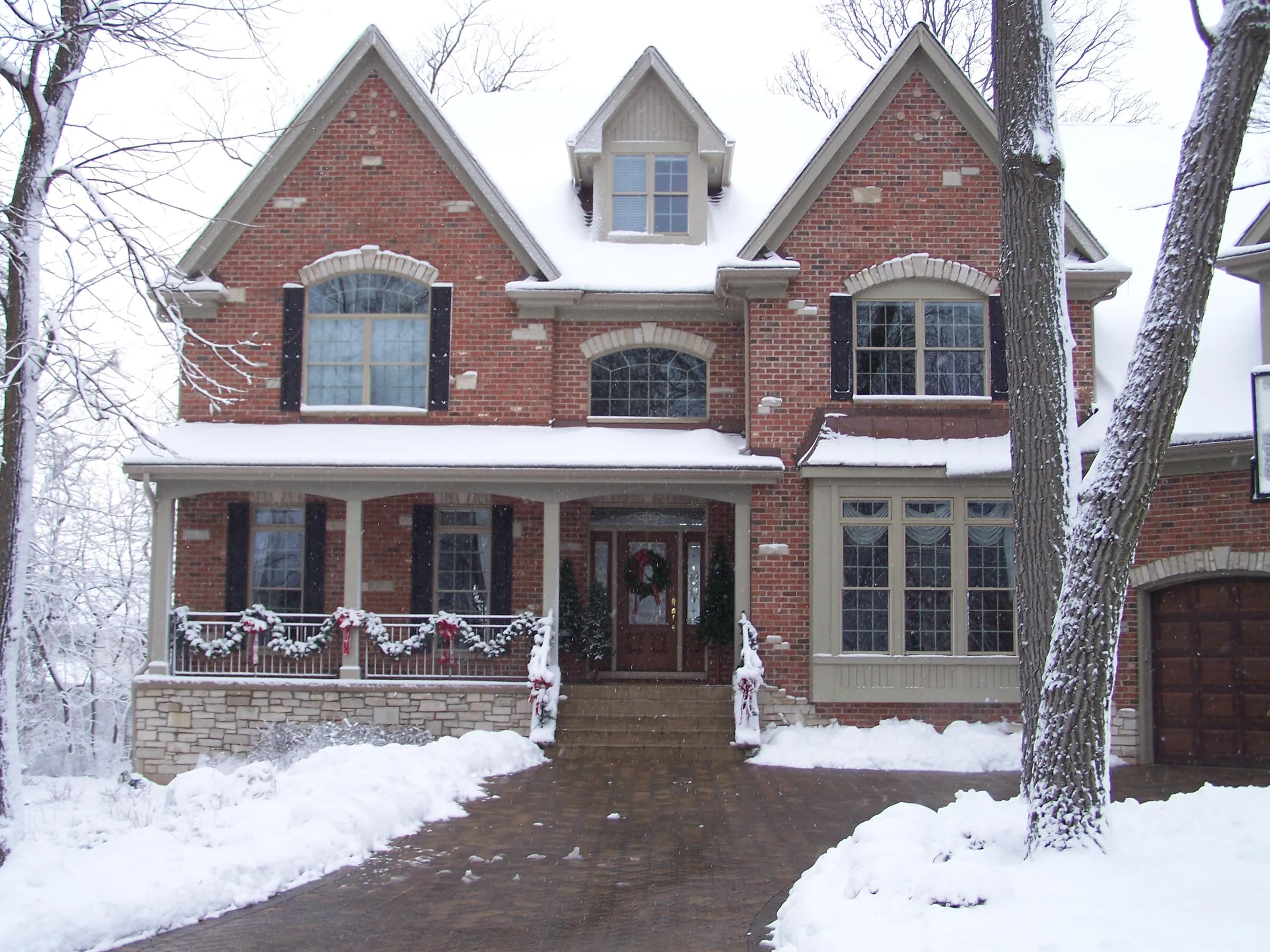
Ice protection system · Patented 1995
No icicles.
No ice dams.
No worries.
Heater Cap gently heats your roof edge, gutters and down spouts so melting snow keeps flowing all winter instead of freezing into dangerous ice.
-
1995
Heater Cap
patented -
1.5M+
Feet installed
in Chicagoland -
2003
Dealer network
installing since -
GFI
Hardwired with
EPD protection -
USA
Made here
and warranted
Gutter guards stop leaves.
Only heat stops ice.
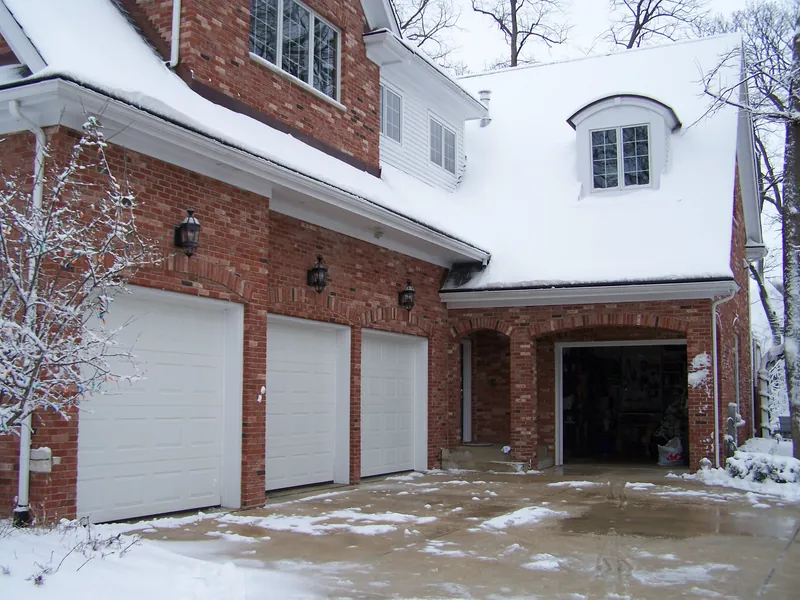
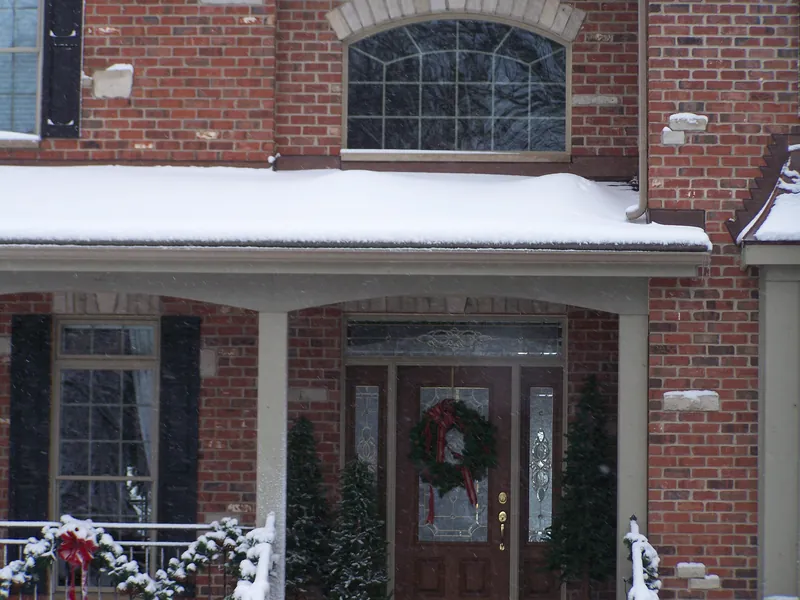
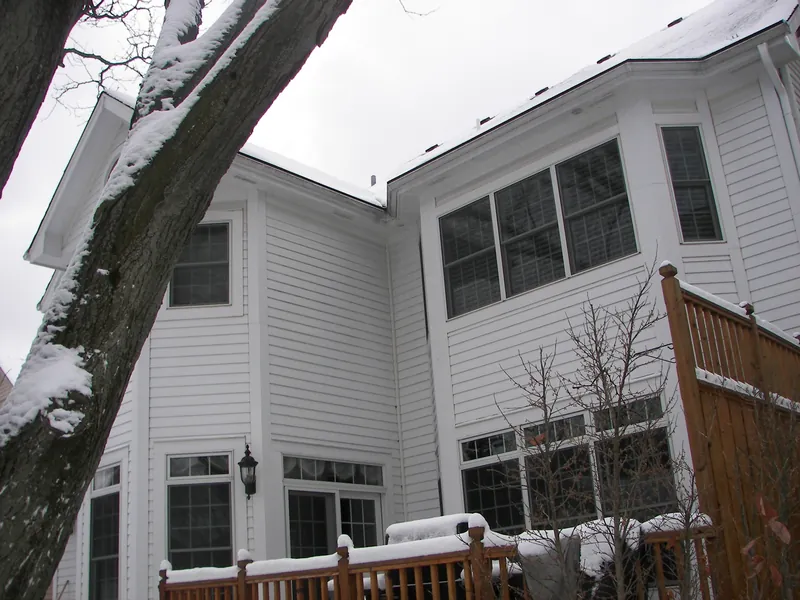
Attic heat melts roof snow. The water hits cold gutters, refreezes, and builds into icicles and ice dams that rip gutters loose and push water under your shingles.
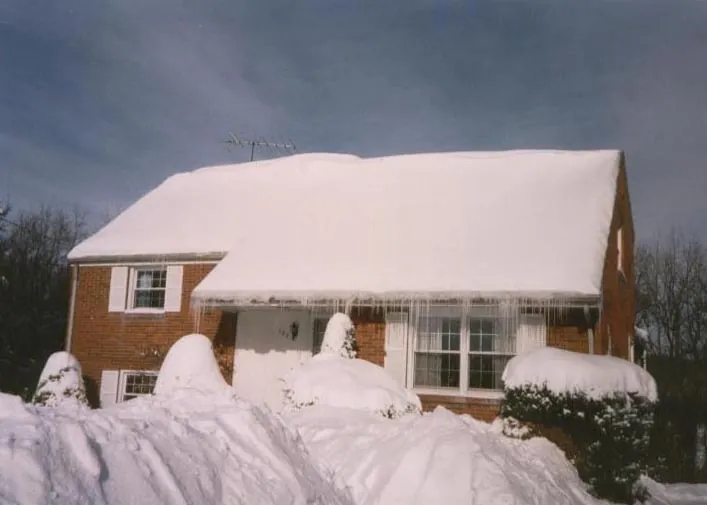
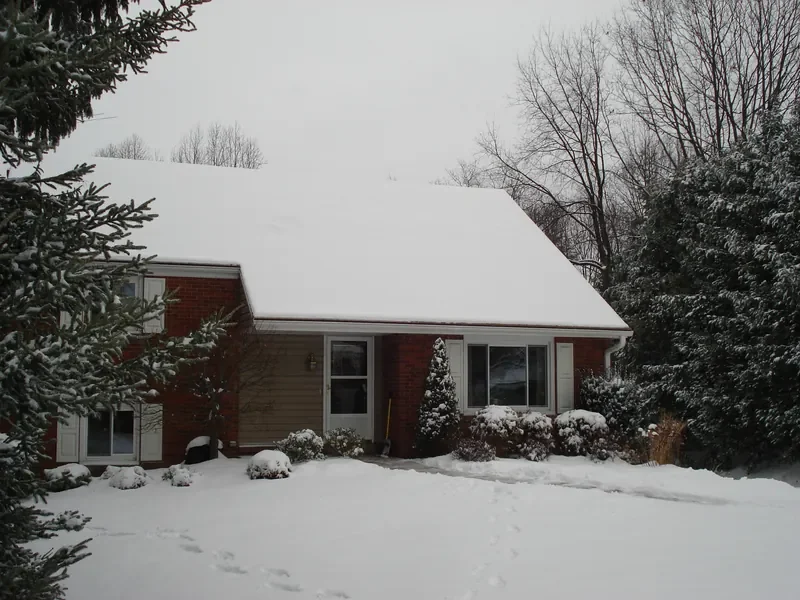
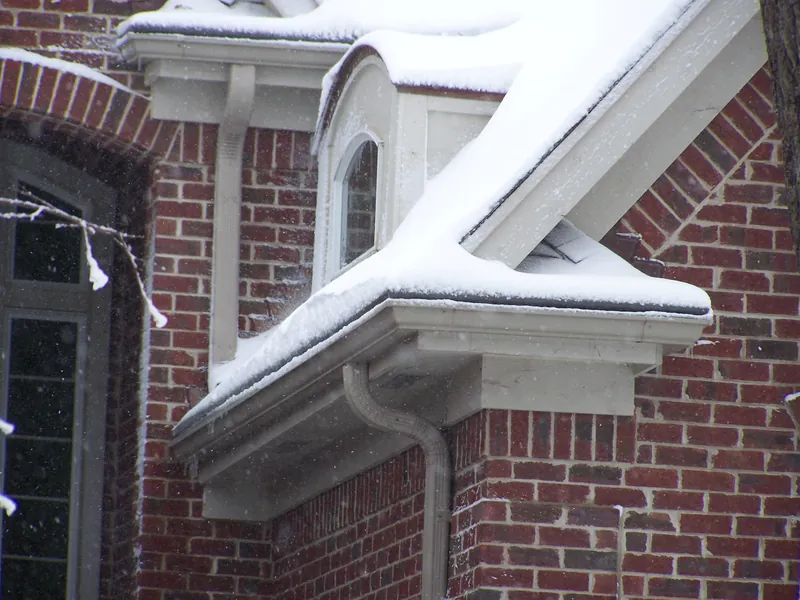
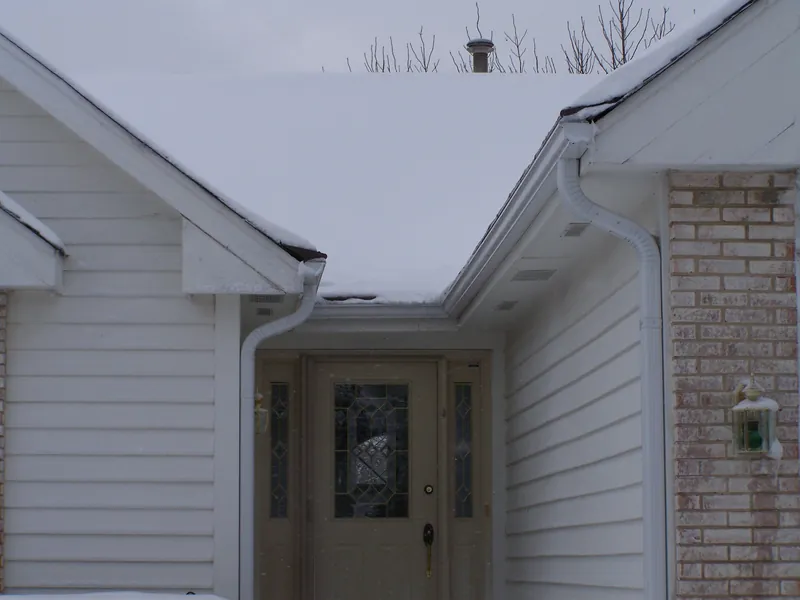
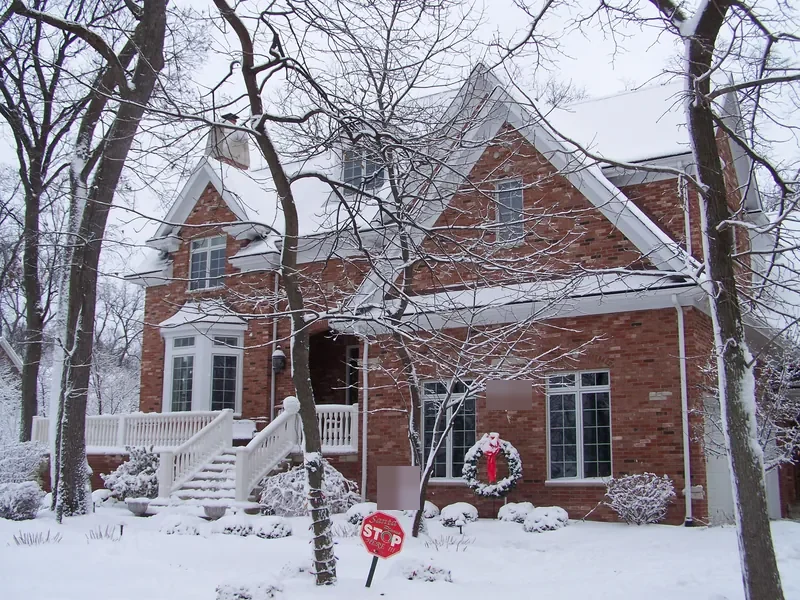
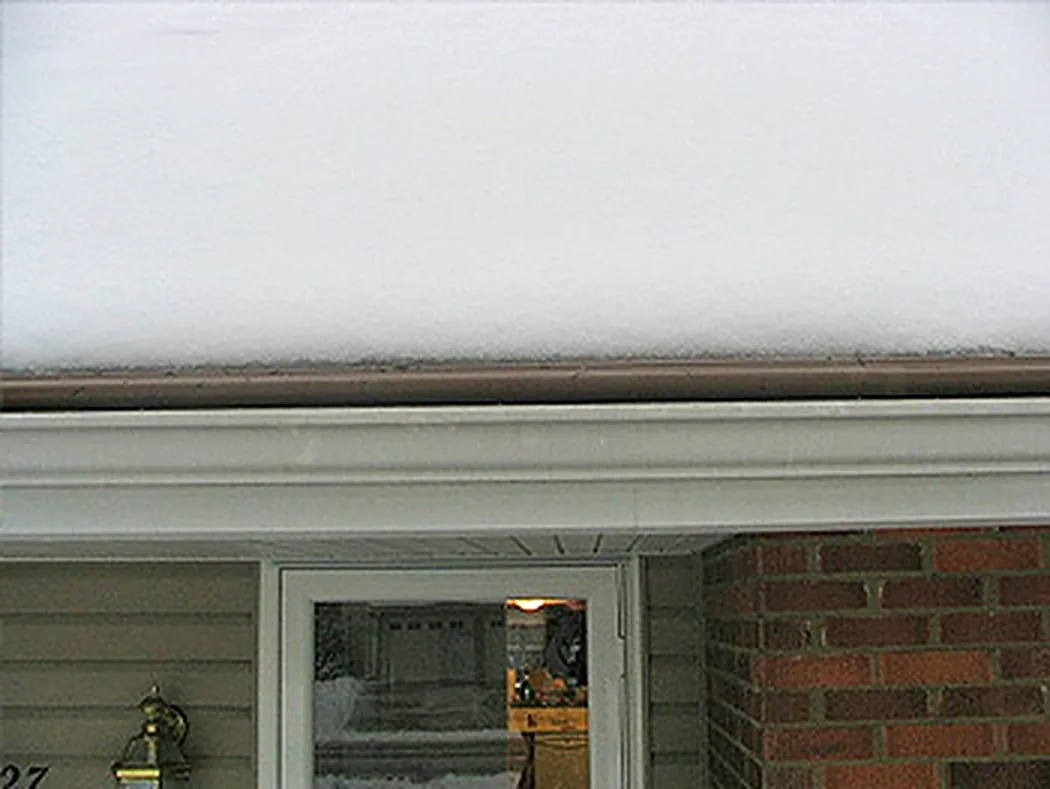
The same home, before and after Heater Cap.
- 150 lb The weight of a 10 foot gutter full of ice. Enough to tear it off the house.
- Slips Melt water refreezing on walkways is the most common ice injury, especially for older adults.
- Leaks Ice pries up the first row of shingles, letting water into the attic and ceilings.
- Rot Soaked fascia and soffits refreeze and crack, then mold and carpenter ants move in.
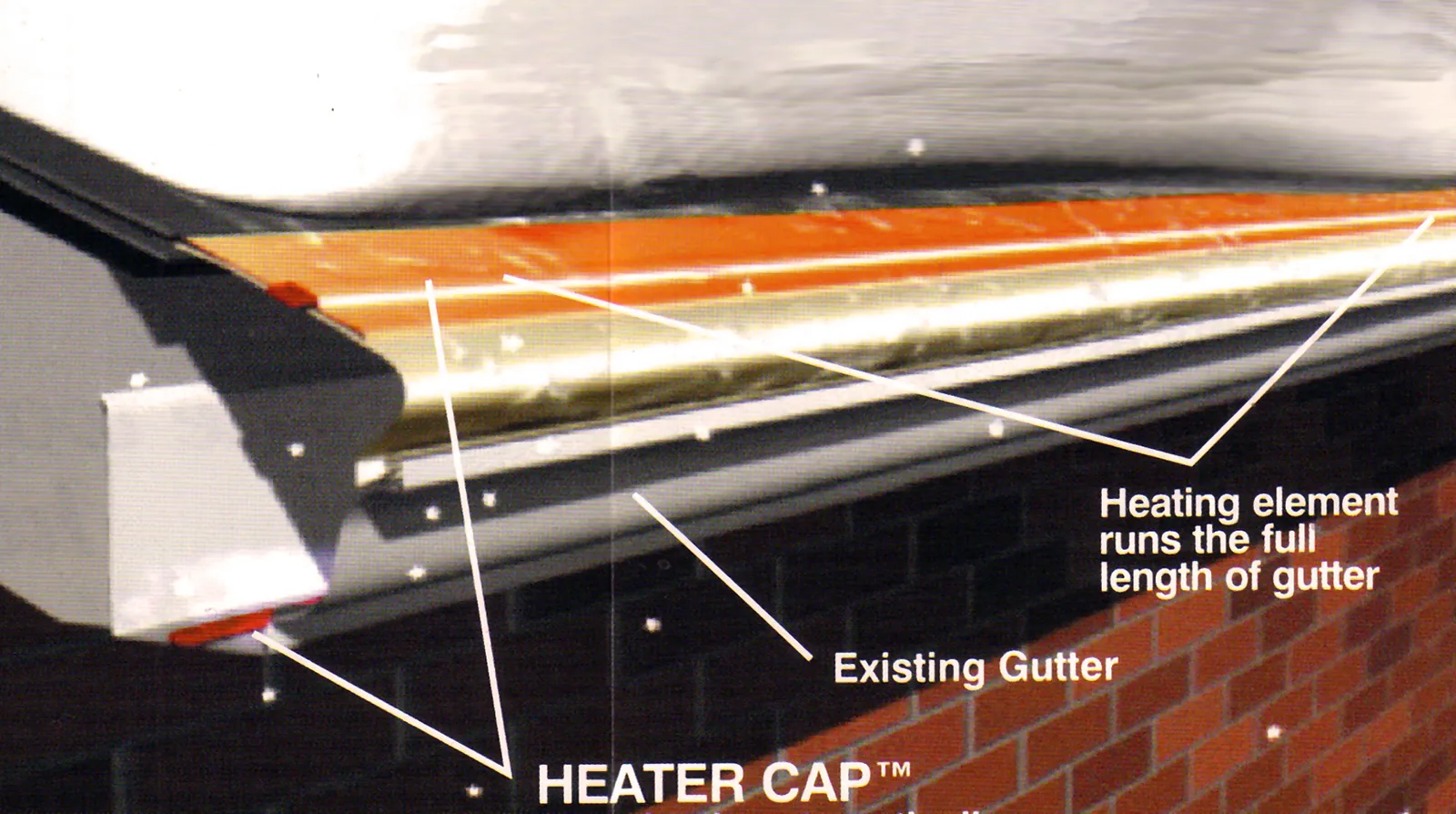
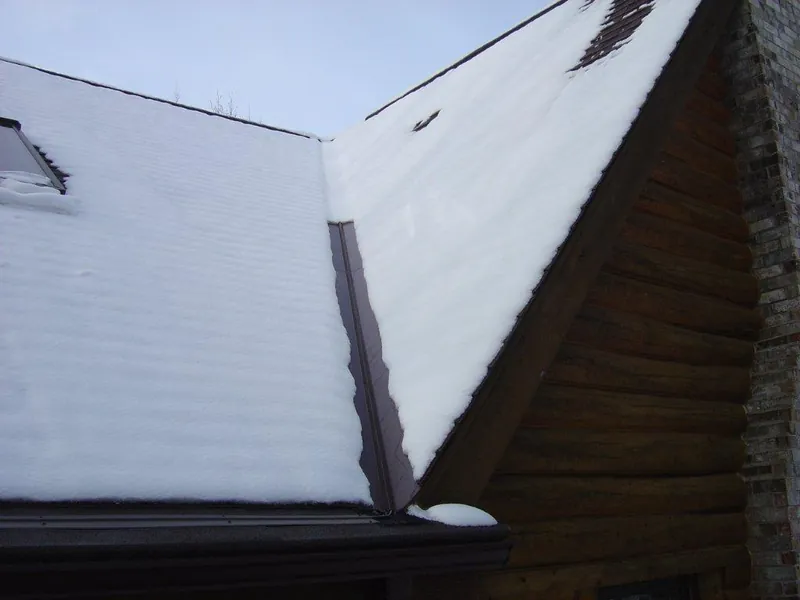
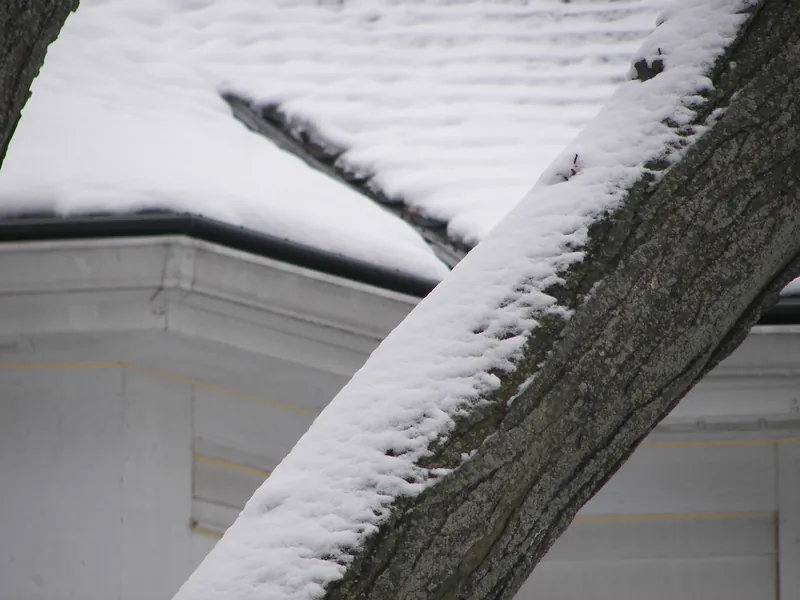
How it works
Engineered heat, right where ice forms.
-
Heat-dispersing panels
Sit over the cable and spread warmth to melt wide swaths of snow, not a thin track.
-
Self-regulating cable
Heavily insulated and grounded. Gets only as warm as needed. Doubled in roof valleys.
-
Hardwired by a licensed electrician
Its own 20 or 30 amp GFI breaker with EPD protection. No extension cords.
Works on roof edges, valleys, gutters, down spouts, drain tiles and most existing aluminum dome gutter covers, and you can treat problem areas only, such as the roof above an entryway. Running cost is about $0.50 to $2.50 a day in winter, depending on cable length.
The panel comes in 12 metallic finishes and 9 roof granule finishes, so it blends into the roof valley and the gutter protection and is virtually invisible from the ground. See the finishes.
Watch
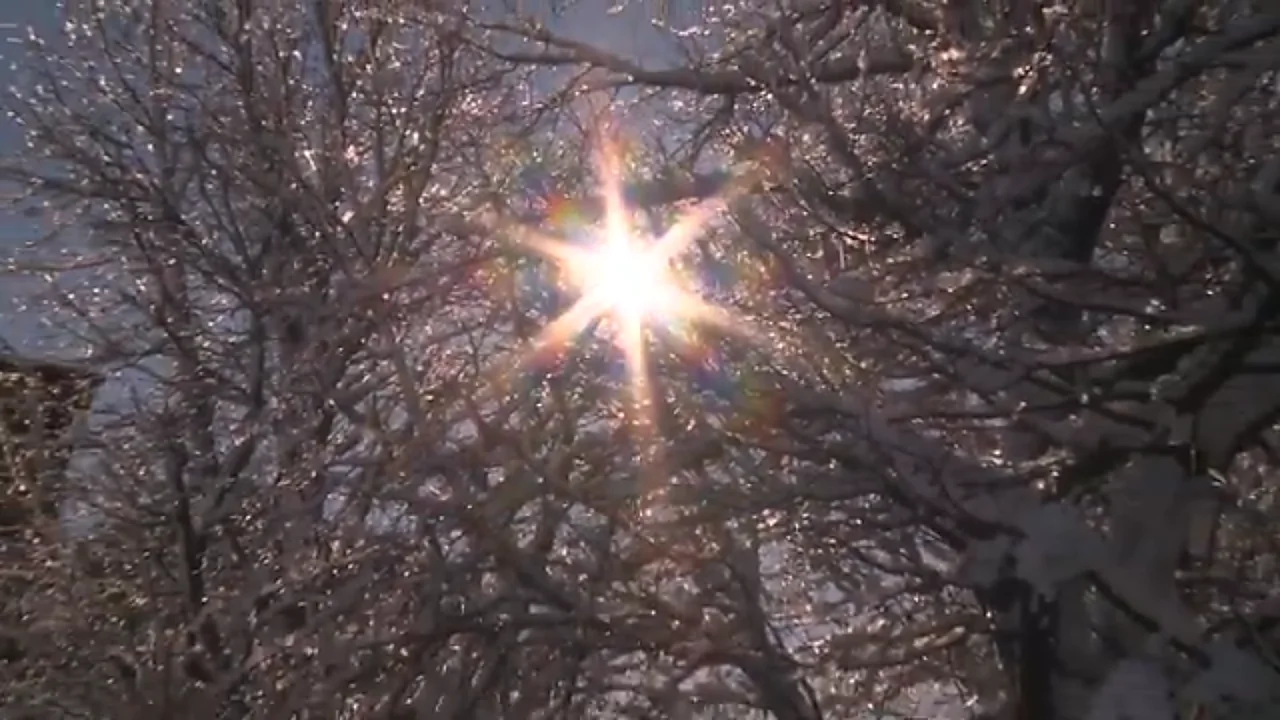
See Heater Cap at work.
Why not just hang heat tape?
- Heat tape can spark and cause fires. Many of these products are not temperature regulated. They sit against asphalt shingles, which are an oil derivative and flammable, and against the wood the roof is built from. The insulation covering some of them is thin and easily nicked, which raises the risk further.
- Constant wattage wire never stops heating.
- It melts only a thin channel.
- Nothing protects it from animals.
- The zigzag is visible all year.
- It is a do-it-yourself install.
- Self regulating cable that only gets warm.
- Panels melt whole swathes, not a channel.
- Valleys, down spouts and drain tiles too.
- Treat the problem areas only.
- On its own protected circuit.
- It fits over most existing gutter covers.
- It stays out of sight.
- Lifetime panel warranty
- 5-year heat cable warranty
- Made in the USA
For contractors and dealers
Make winter your busiest season.
Every gutter and roofing pro in snow country gets asked how to stop the ice. Become an exclusive Heater Cap dealer and have a patented answer, backed by the makers of Gutter Cap.
-
Patented product
Decades of field history in tough Chicago winters.
-
Factory certification
Train your crew at our installation center in Chicago.
-
Year-round offer
Gutter Cap for debris, Heater Cap for ice.
-
Lifetime panel warranty
Backed by Gutter Cap Inc. and made in the USA.
Our story
Invented by an installer who was tired of callbacks.
The founder of Gutter Cap Inc. started installing gutter protection in the early 1990s. Unhappy with thin materials and awkward brackets, he designed his own: Gutter Cap. Then he tackled the problem every northern homeowner knows, and Heater Cap was patented in 1995.
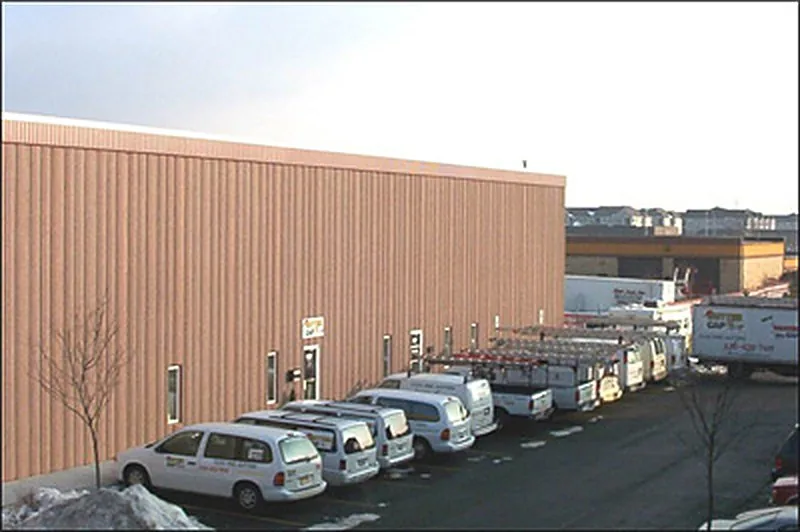
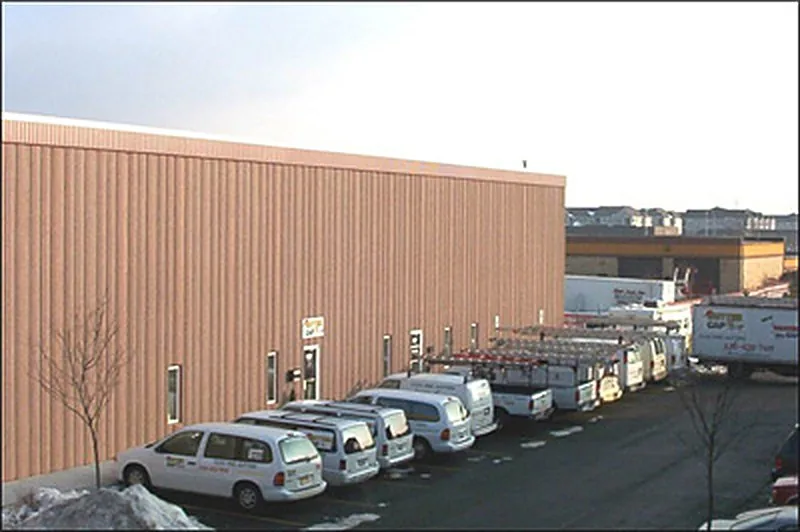
Gutter Cap Inc. still builds both in Naperville, IL, and trains dealers at its own factory installation certification center. Heater Cap is made in the USA and carries a lifetime material warranty on the panel.
Good questions.
Still curious? Call (800) 797-5880 or read our 16 free articles on ice dams and gutters.
How does Heater Cap work?
Heat panels and self-regulating cable melt snow and ice coming off the roof and keep water moving through gutters and down spouts. It is hardwired to its own breaker, or, for jobs under 100 feet, plugged into a dedicated GFI outlet.
How much does it cost to install?
Cost depends on the footage your home needs, usually the areas over walkways, valleys, gutters and down spouts. Electrical hookup is quoted separately.
Can it just be plugged in?
For jobs under 100 feet, yes: into a dedicated GFI outlet. Larger jobs are hardwired to their own circuit breaker.
When do I turn it on and off?
Switch it on at the breaker when temperatures drop to about 30 to 35 degrees, and off in March or April once snow is gone and it stays above 35 degrees.
Should I only run it during storms?
No. Heating from below freezing takes much more energy, can trip the breaker, and shortens the system life. Leave it on for the season.
Get ahead of the first freeze.
Installers book up fast once the snow starts. Reach out now.