
How it works
A warm edge, all winter.
What the system is made of, where it goes on a house, how you run it through the season and what that costs.
Watch
See Heater Cap at work.
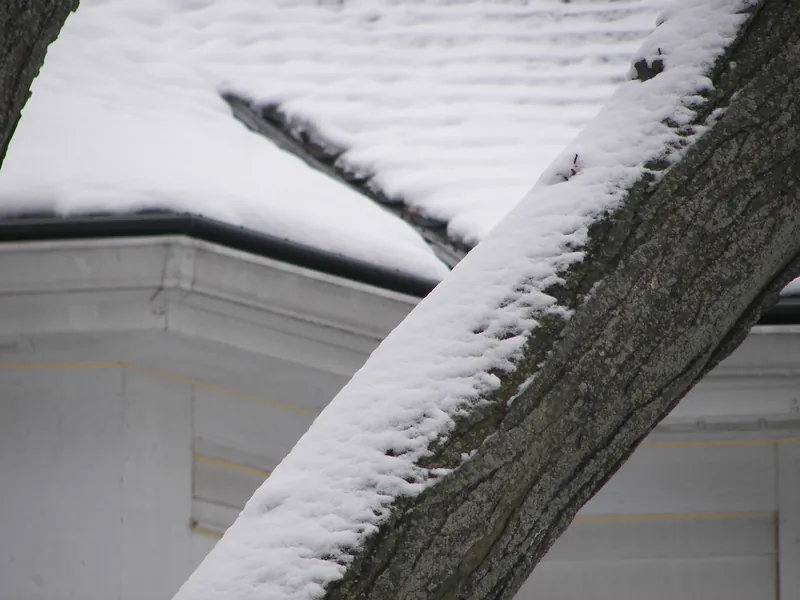
The system
What is Heater Cap made of?
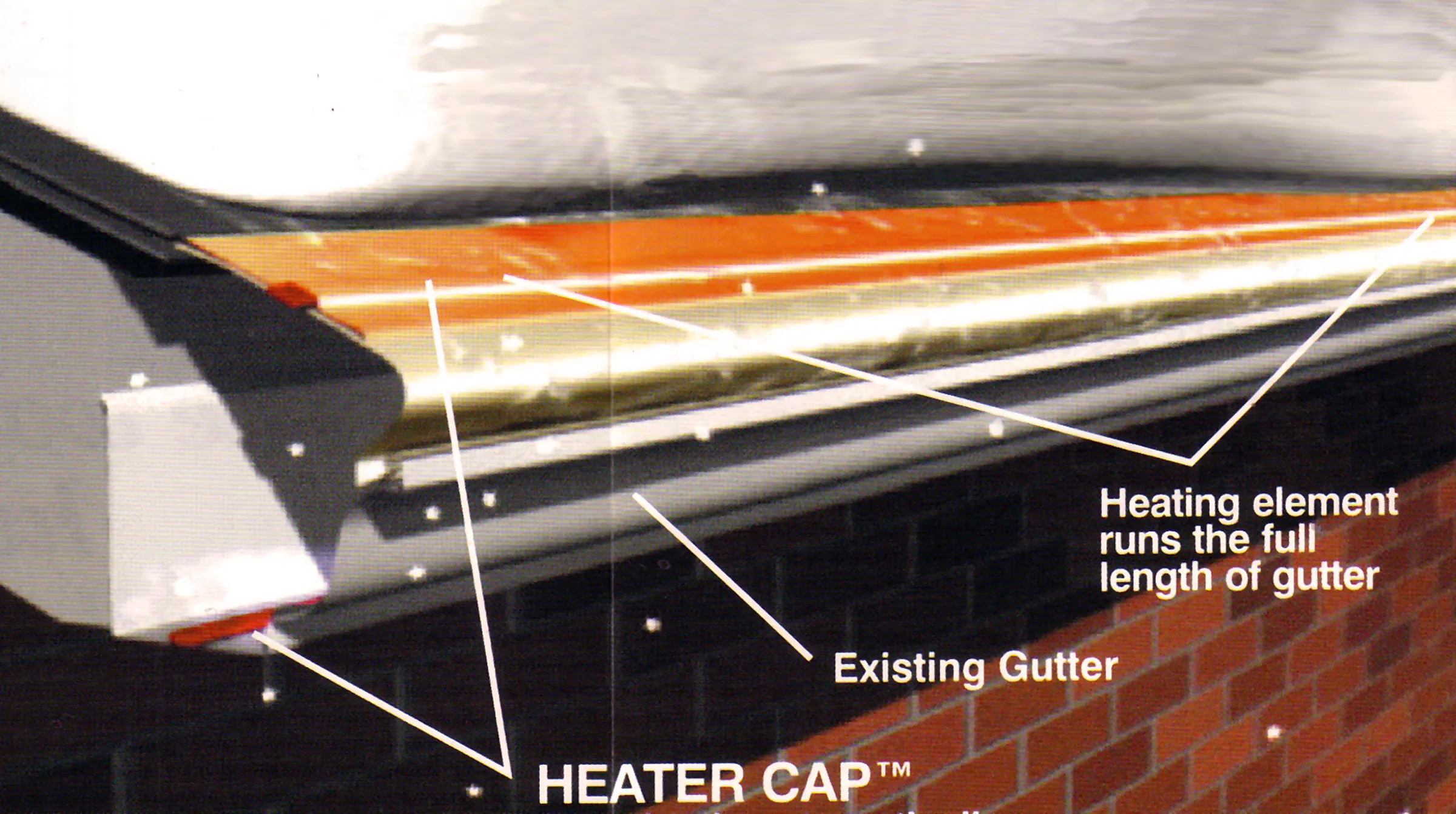
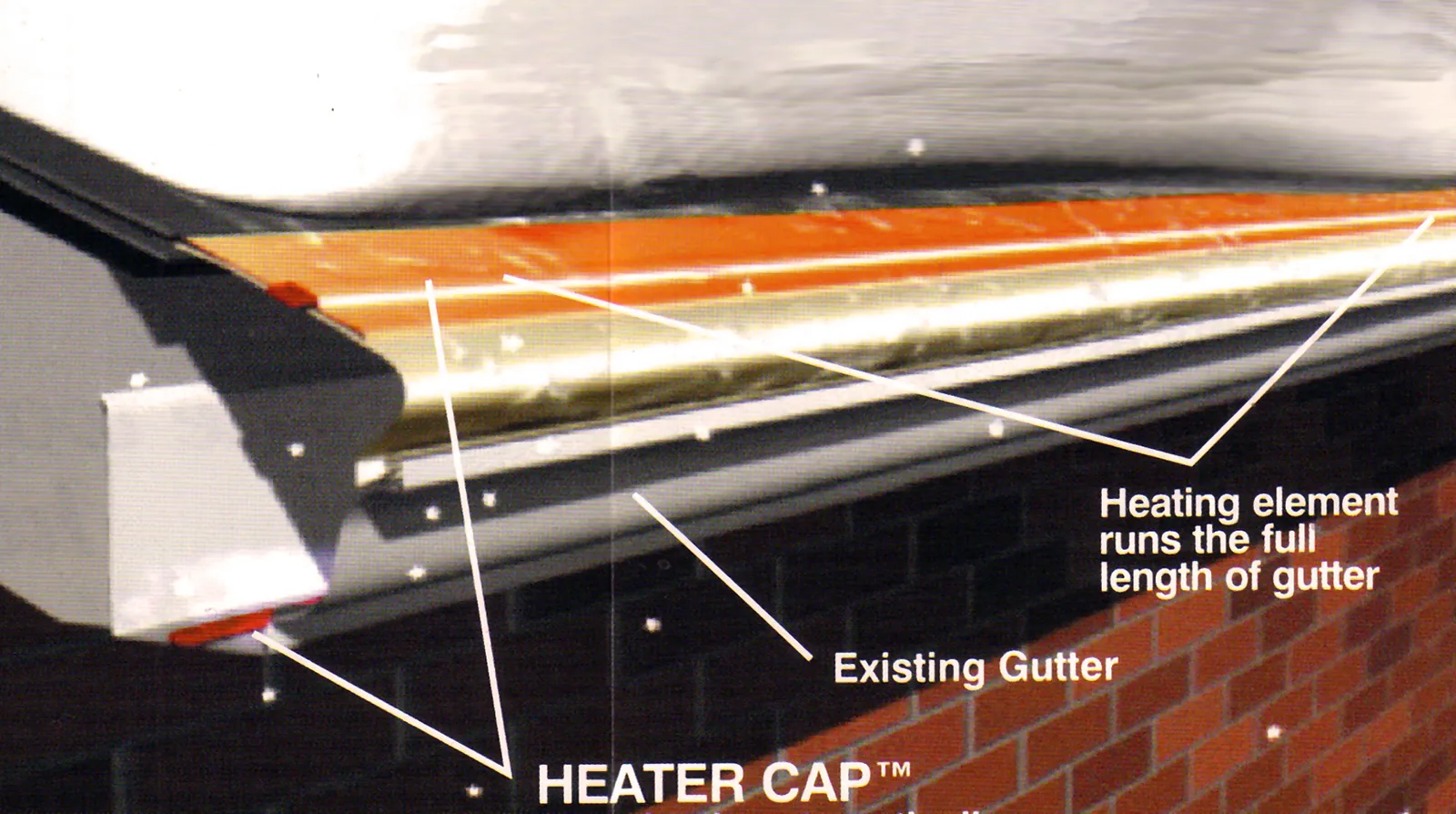
Two things working together: a self regulating heating cable, and heat dispersing panels that sit over it. The cable keeps water moving; the panels clear area.
-
Heat dispersing panels
A bare cable melts a narrow channel and leaves the rest of the ice where it is, which is the central failing of heat tape. The panel spreads that heat across a far wider surface, so the edge clears rather than just perforating.
-
Self regulating cable
Heavily insulated, and it draws more power as the temperature drops while only ever getting warm enough to melt ice and snow. The heat is regulated, so it does not get hot enough to start a fire or to damage shingles, and it is properly grounded, so it does not spark.
-
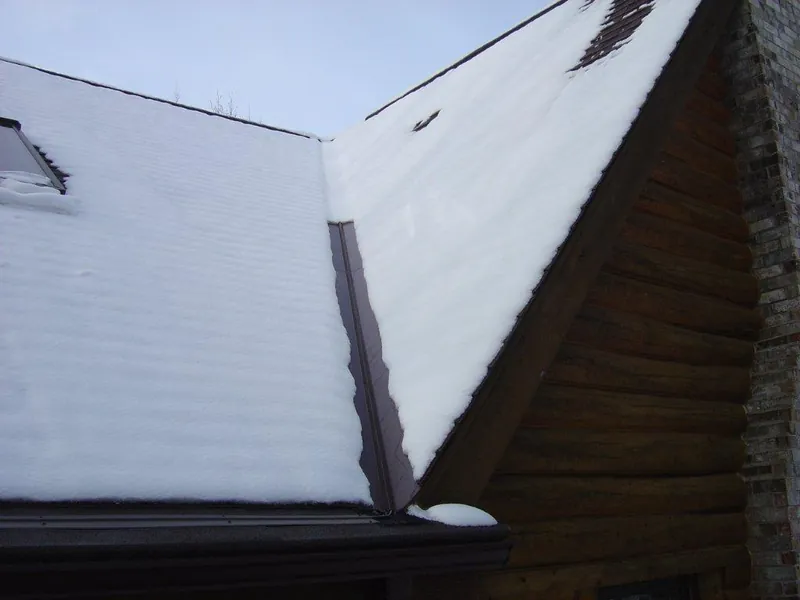
Doubled up in the valleys
A valley is where two or more roof sections funnel their load into a single path. Cable and panels are doubled there, because a single run would be overwhelmed.
Running cost is about $0.50 to $2.50 a day in winter, depending on the length of cable your roof needs.
Where it installs
Where does it go on a house?
- Roof edges
- Roof valleys
- Gutters
- Down spouts
- Over metal panel gutter guards
- Drain tiles
Heater Cap can be mounted in the gutters and down spouts alone, or on the roof as well where organic debris is not an issue. The roof valleys get the cable and panels doubled up, because that is where two or more roof sections funnel their load into a single path.
It installs on most existing aluminum dome gutter cover systems, so the gutter protection already on the house does not have to come off. Drain tiles can be heated as well, and in some cases the system can be applied to underground draining systems.
Does the whole house have to be done?
No. You can cover the problem areas only, treating just the sections that need it, such as the roof above an entryway. That is where most of the benefit is, it keeps the energy cost down, and it is why the walkways are usually what gets treated rather than the whole house: the cost follows the footage.
Finishes
What does it look like on the house?
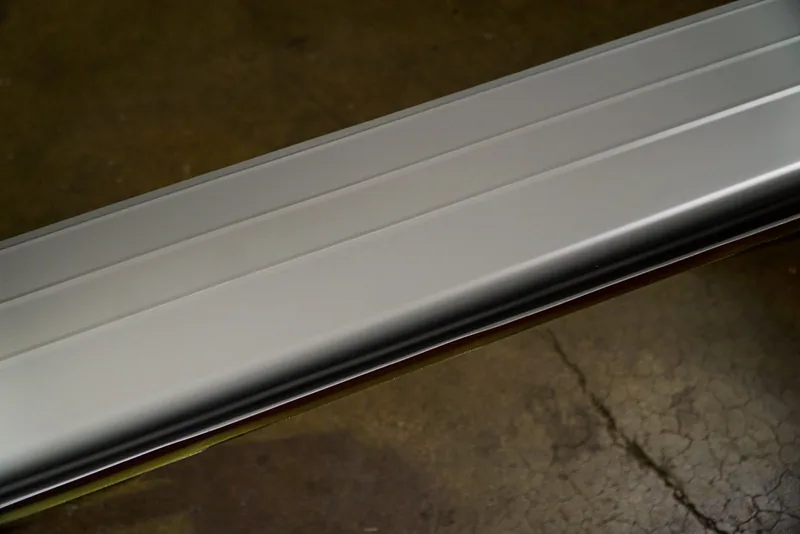
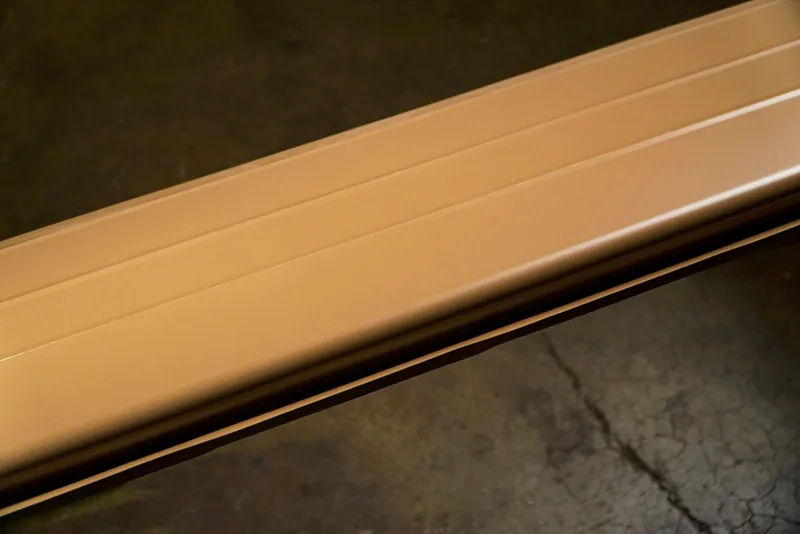
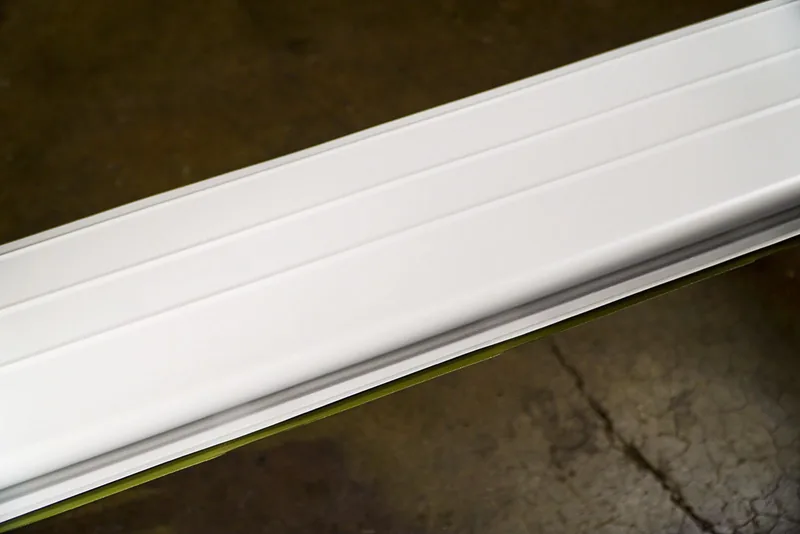
The Heater Cap heat-dispersing panel comes in 12 metallic finishes and 9 roof granule finishes, to blend in with your roof valley and gutter protection.
12 metallic finishes.
Eight of them, photographed on the panel.
-
Silver
-
Almond
-
White
-
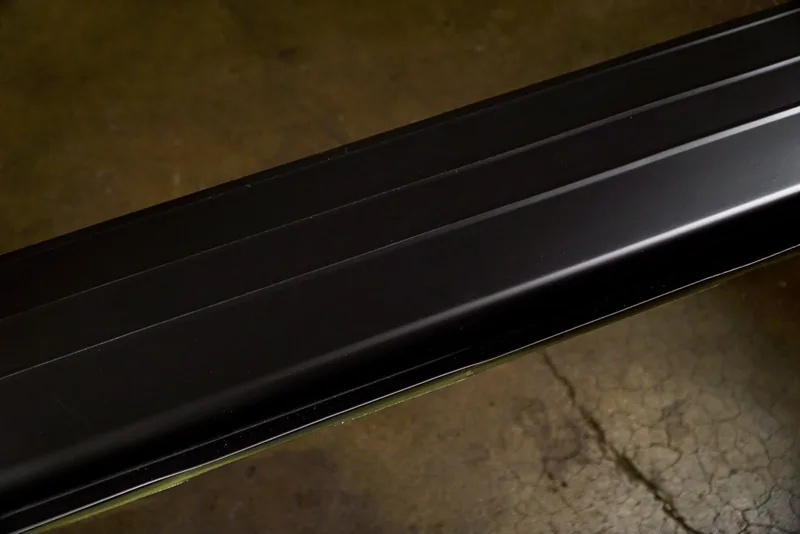
Black
-
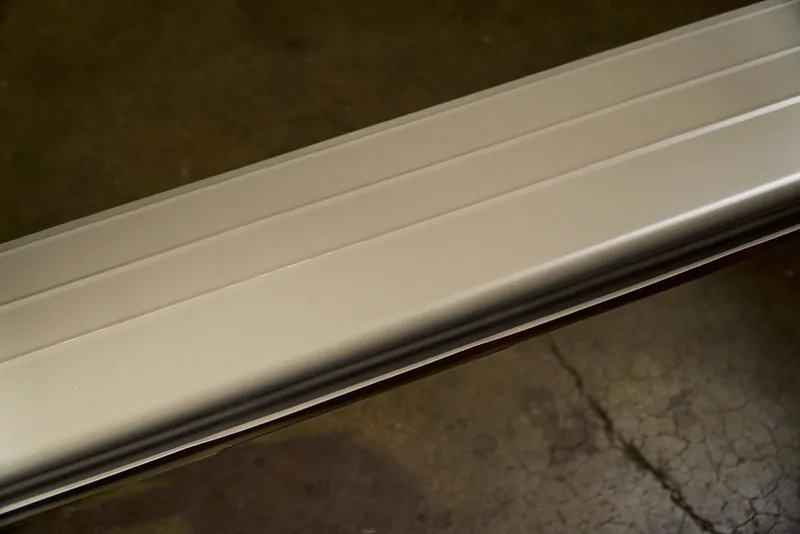
Pewter
-
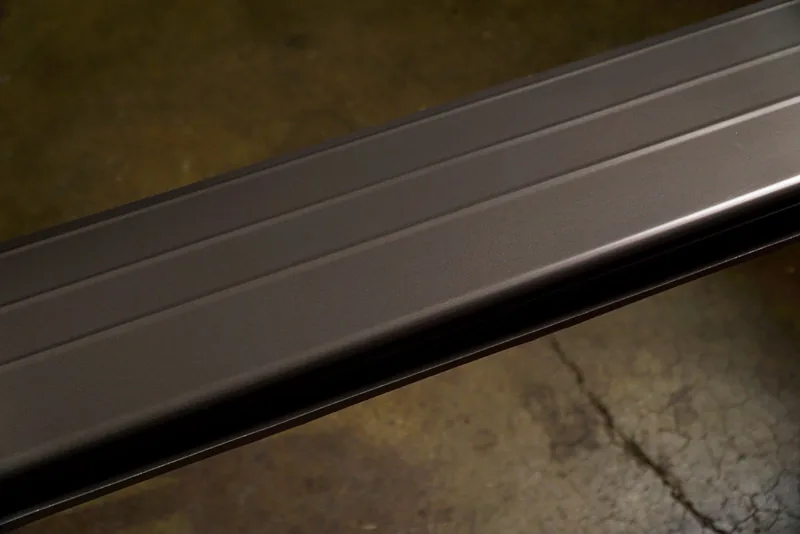
Bronze
-
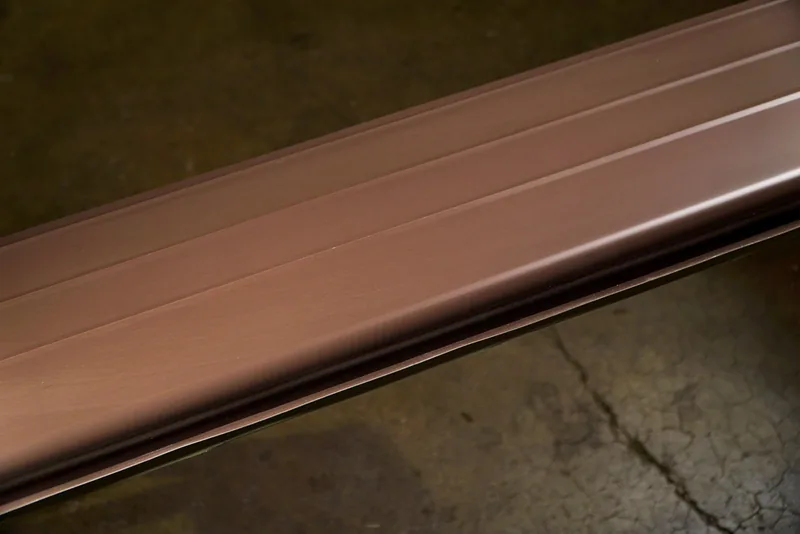
Brown
-
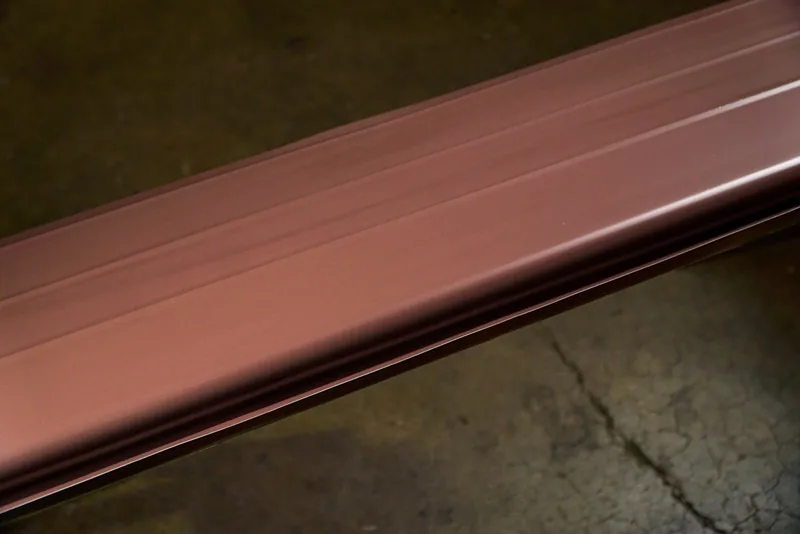
Copper
9 roof granule finishes.
The stone coat colors, all nine of them.
-
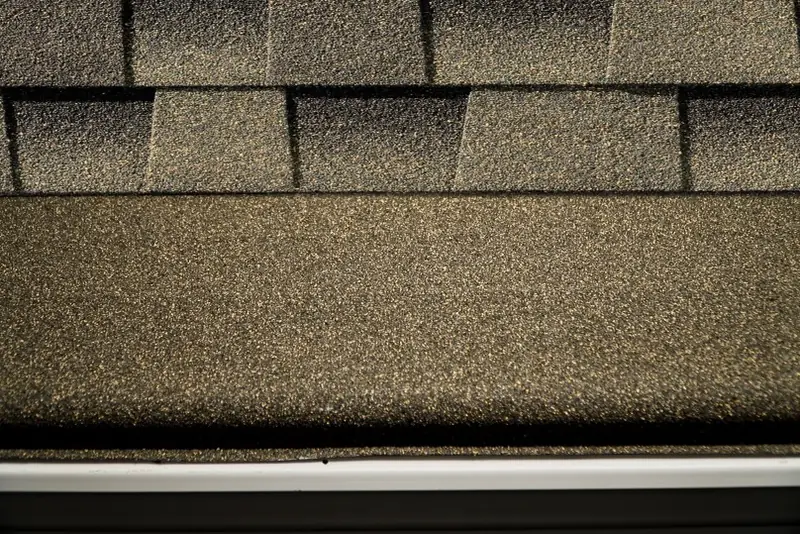
Weatherwood
-
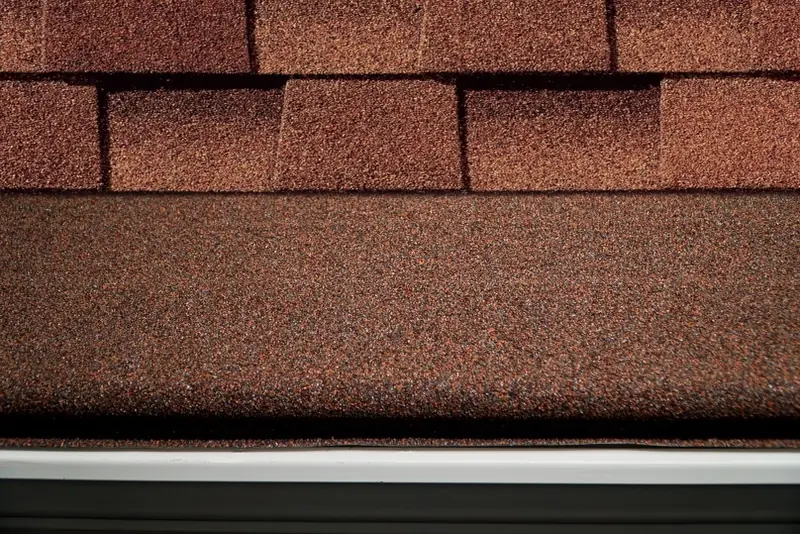
Bark Brown
-
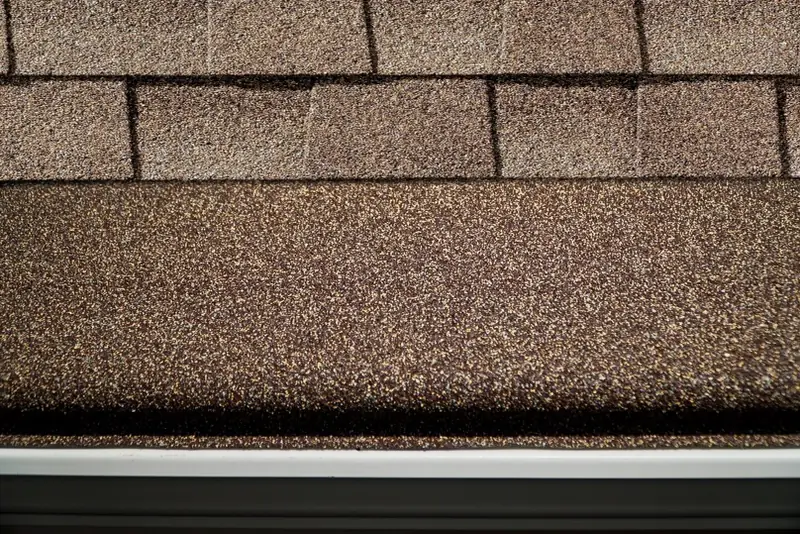
Musket Pebble
-
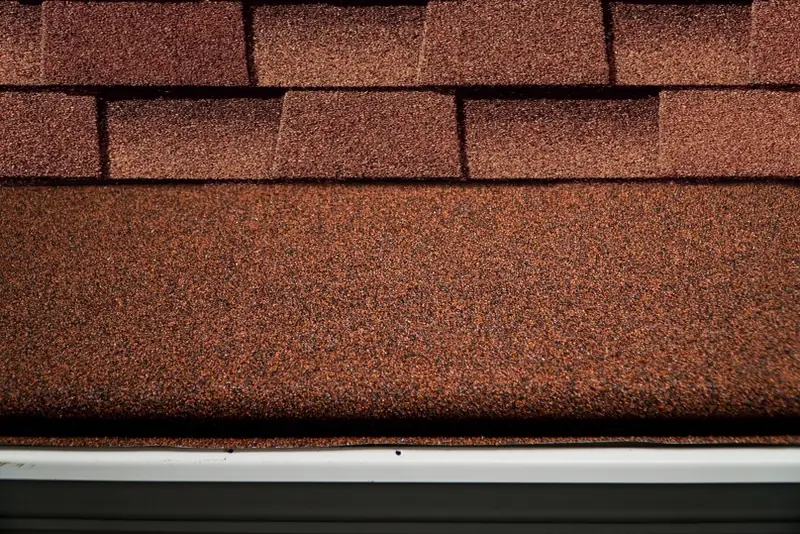
Sierra Brown
-
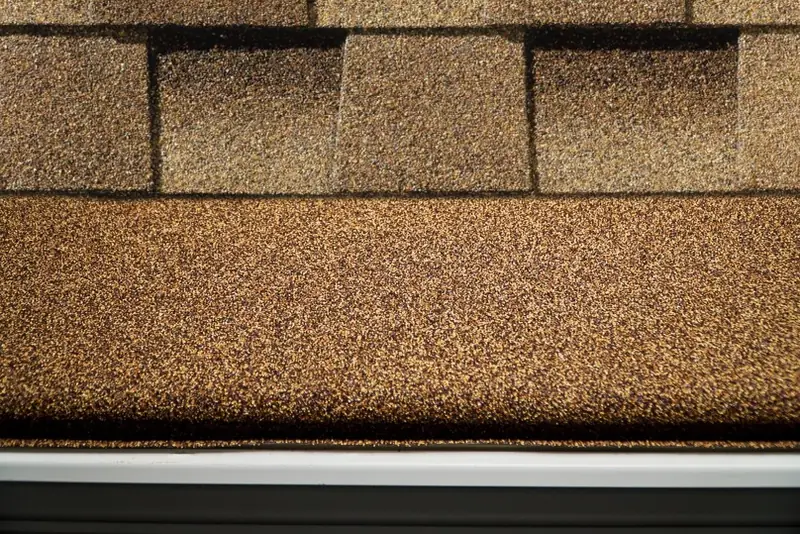
Beach Brown
-
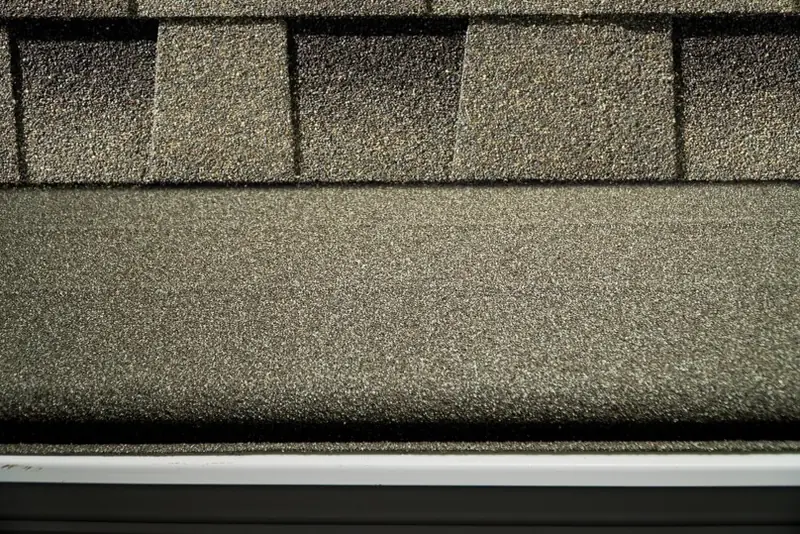
Cedarwood
-
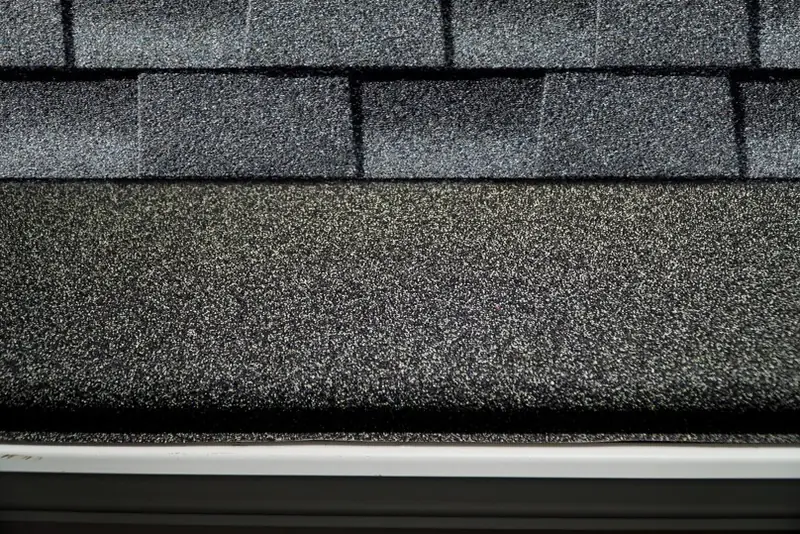
Charcoal
-
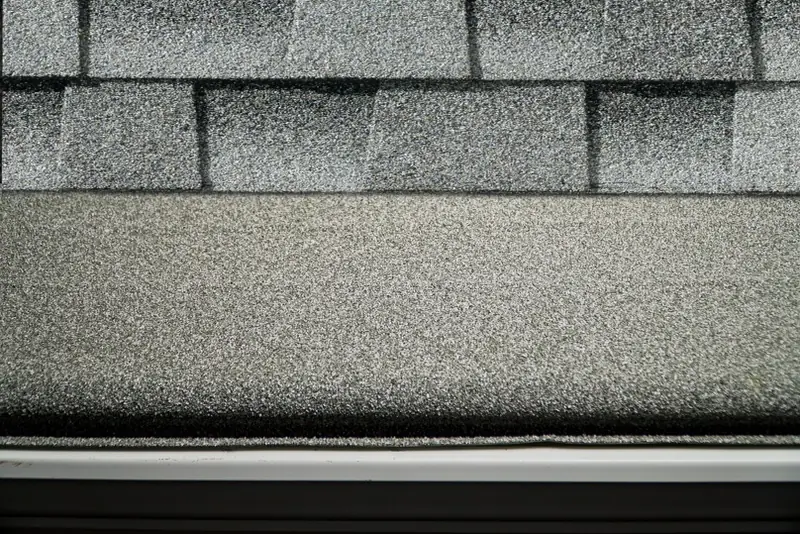
Pearl White
-
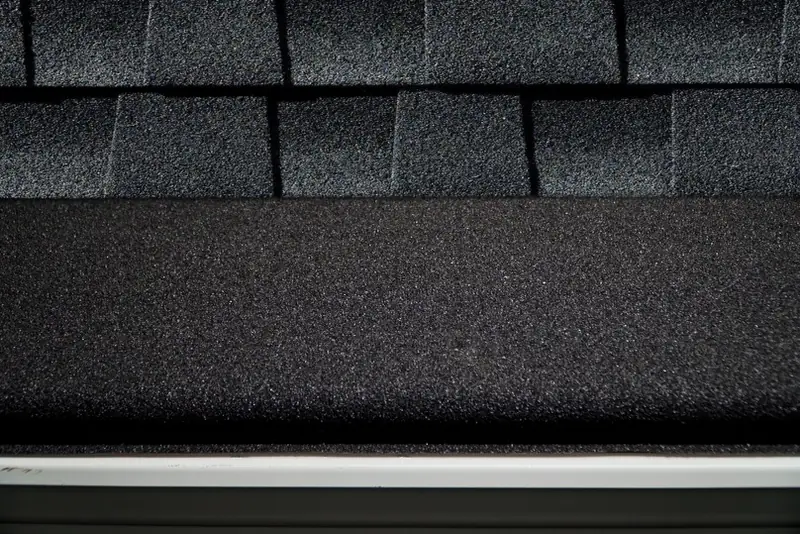
Black
There is no zigzag of wire across the roof and the cable runs under the panel, so once the finish is matched the system is virtually invisible from the ground.
Through the season
How do you run it?
-
On at 30 to 35 degrees
Switch it on at the circuit breaker when the outside temperature falls to between 30 and 35 degrees.
-
Leave it running
Leave it on for the rest of the season. Energizing it at low temperatures may trip the breaker, and it may trip several times until the cable is fully heated. That is expected, not a fault.
-
Off in March or April
Switch it off once the snow has melted and temperatures stay above 35 degrees.
If you forget to switch it on
Turn it on as soon as you remember, and if you can, wait for a day above freezing. If snow has already built up, turn it on and watch the breaker box: if it trips, turn it back on, and if it trips a fourth time wait ten minutes before starting again. The system may take several days to reach its proper heat and catch up with what is already on the house. Repeated low temperature starts shorten its life.
Running cost
What does it cost to run?
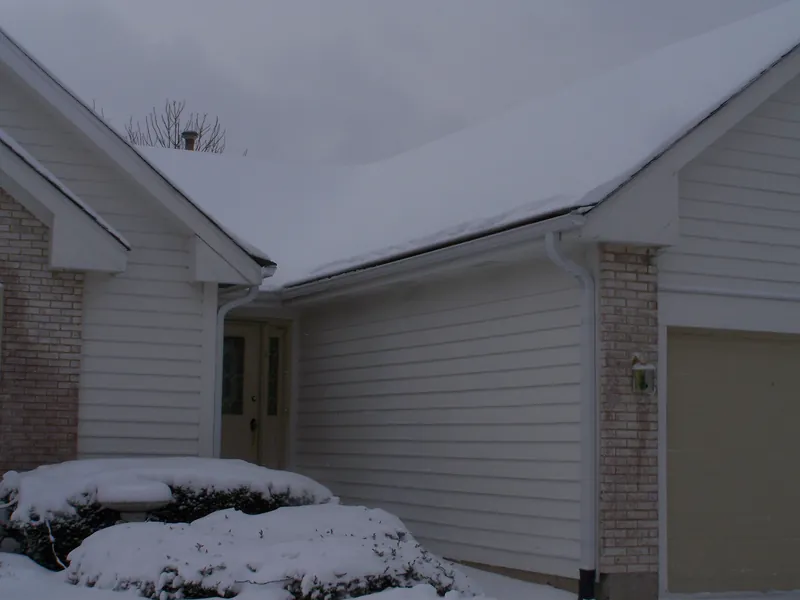
Roughly $0.50 to $2.50 a day, depending on the length of cable your roof needs, which is about what a hair dryer running non-stop uses.
Leaving it on for the season costs less than cycling it around each storm. Heating a cable from below freezing takes far more power than keeping a warm one going, that surge is what trips breakers, and the system can take days to catch up each time. Switching it on and off through a winter ends up costing more rather than saving.
The other way to hold the cost down is to cover the problem areas only. Treating the roof above an entryway, or whichever run gives the household the most trouble, buys most of the benefit for a fraction of the footage.
Installation and power
How it is connected.
A contractor fits the panels and the cable. How the power reaches them depends on the size of the job.
On a hardwired job, Heater Cap goes onto its own separate circuit, with a 20 or 30 amp GFI breaker carrying EPD, equipment protection device, components, and a licensed electrician wires it to the breaker. That is not an upgrade; it is how a hardwired system is designed to be connected, and the warranty requires the protection: a 30 milliamp ground fault breaker or an approved equivalent, per section 426.28 of the National Electric Code. The electrician then checks that it runs and that it will not pop the breaker, which is the step that turns a correct installation into a working one. There is a separate charge for the electrical hook up.
Not every job needs that second trade. For jobs under 100 feet the system can be plugged into a dedicated GFI outlet instead, so the contractor who fits the panels can finish the work on their own.
Can it just be plugged in?
For jobs under 100 feet, yes: it can be plugged into a dedicated GFI outlet. Larger jobs are hardwired to their own circuit breaker.
Can the wire be spliced?
We do not recommend it. Splicing voids the warranty, and it creates a weakened weather barrier that raises the chance of water getting in and ruining the cable.
What is the warranty?
A lifetime material warranty on the Heater Cap panel for the original consumer purchaser, and five years on the self regulating heat cable from the date of purchase. Both depend on the system being installed by a licensed dealer, following the recommended procedures, and protected by an approved equipment protection device.
Get ahead of the first freeze.
Installers book up fast once the snow starts. Reach out now.